


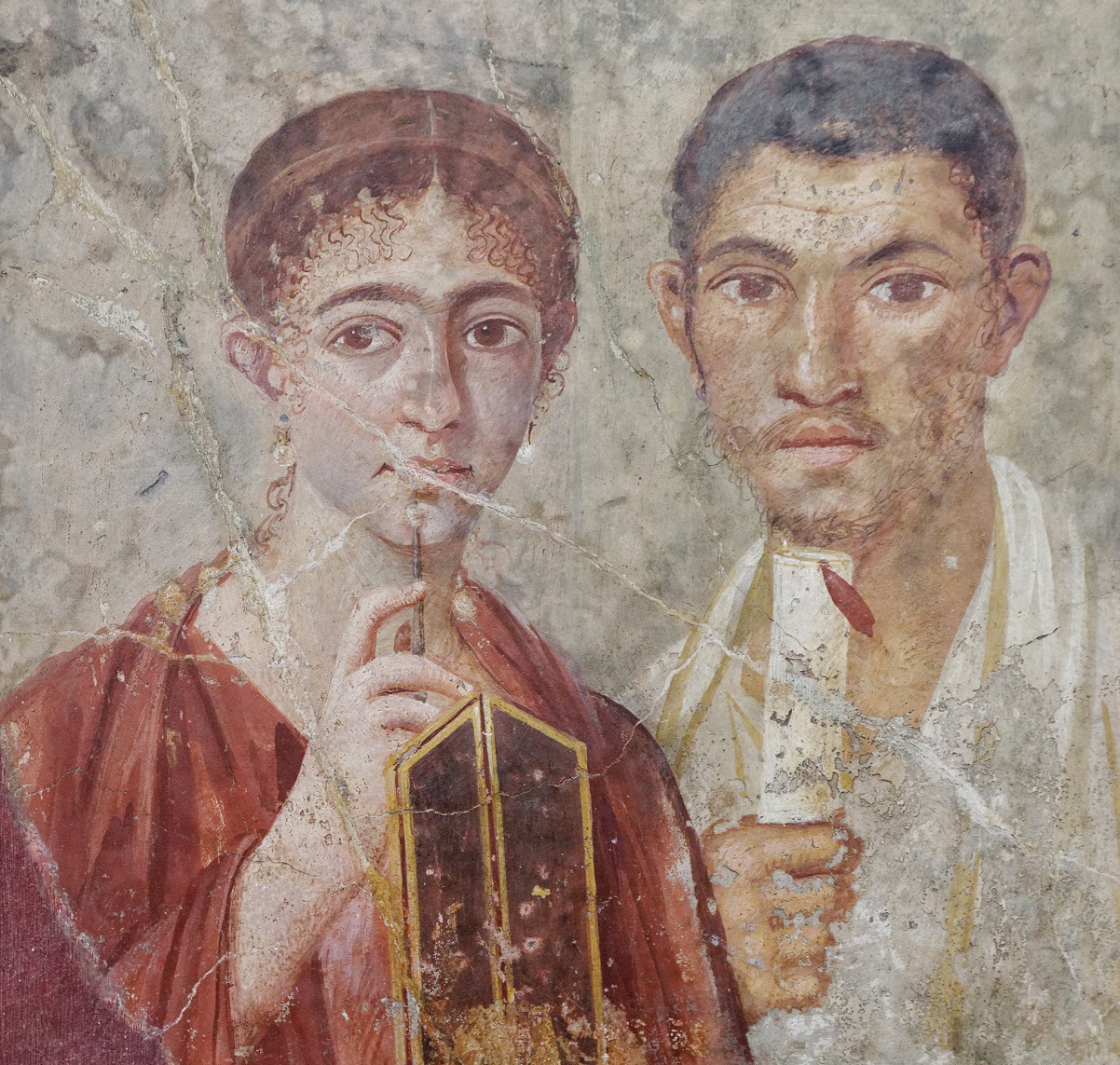
A new series of three free lectures celebrating 2,500 years of the city of Naples, featuring a journey through the iconic cities of the Gulf: Naples, Herculaneum, and Pompeii. Lecturer: Dr. Hamutal Suliman-Wolf, researcher at the University of Haifa, Department of Art History. Event in HEBREW, online only. To book and receive the link for the Webex meeting, please fill in the REGISTRATION FORM.
The history of the Neapolitan region reaches back to before the 8th century BCE, when merchants from Asia Minor and Greece used the gulf as a key hub in their trading networks. The settlement of Naples, or Neapolis, was founded at the end of the 6th century BCE by aristocrats exiled from Cumae, and it quickly became one of the major centers of Magna Graecia and, more broadly, of southern Italy.
The city continued to thrive and expand under Roman rule as well: Rome regarded it as a model of high Hellenistic culture and allowed its inhabitants to preserve the Greek language and customs. The Gulf of Naples thus stands out as a true crossroads of ancient peoples and cultures, which has bequeathed to us an outstanding heritage—archaeological remains, monumental architecture, vividly colored frescoes, and an extraordinary wealth of works of art.
- FREE admission. Online event, in HEBREW.
- To receive the link for the Webex meeting, please fill in the REGISTRATION FORM.
As an alternative, you may follow this lecture online via:
PROGRAM:
- Tuesday, 13 January 2026, @ 18:00 | NAPLES: FROM ITS GREEK ORIGINS TO THE ROMAN CITY
- Tuesday, 10 February 2026, @ 18:00 | HERCULANEUM: HIDDEN TREASURES IN THE SHADOW OF VESUVIUS
- Tuesday, 31 March 2026, @ 18:00 | POMPEII: A CITY FROZEN IN TIME
FREE lecture series, in Hebrew.
Tuesday, January 13, 2026 – Tuesday, March 10, 2026
ONLINE | Webex & YouTube